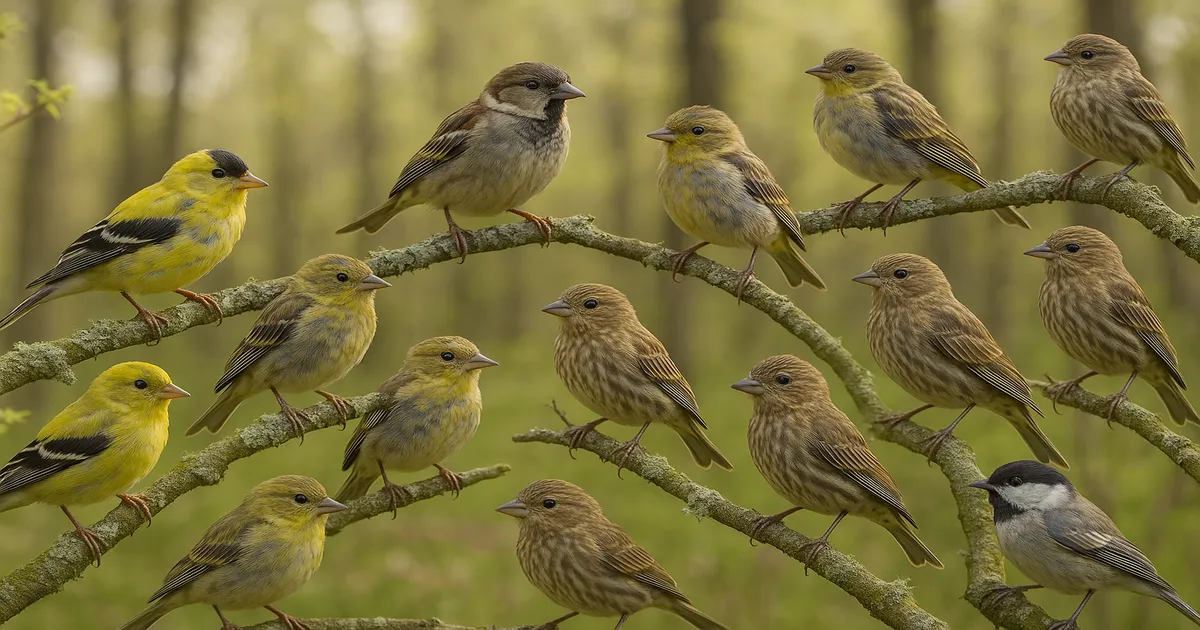
Quick Answer: You can tell a bird’s age by reading its plumage stage and molt pattern, eye color, bill and bare-part coloration, body proportions, vocalizations, and behavior. No single field mark is definitive — experienced birders combine several cues at once. Maturation rates vary wildly by species: an American Robin looks adult by its first fall, while a Bald Eagle needs five years to grow that iconic white head.
Figuring out how to tell a bird’s age is one of the most satisfying skills you can develop as a birder. It transforms every sighting from “that’s a gull” into “that’s a second-winter Herring Gull with a classic molt limit in the greater coverts.” The learning curve is real, but it’s also genuinely fun — and this guide walks you through every major technique, from backyard feeder basics to the methods professional banders use in the hand.
How to Tell a Bird’s Age: The Six Main Cues
- Plumage and molt stage — the most reliable tool for most species
- Eye (iris) color — changes dramatically in raptors, loons, and gulls
- Bill and bare-part coloration — legs, feet, orbital rings, lores
- Size, shape, and tail length — subtle but useful, especially in raptors
- Vocalizations — begging calls and subsong betray young birds
- Behavior — foraging skill, flock position, and social dominance all shift with age
Different species mature at radically different rates, so there’s no universal cheat sheet. A Song Sparrow (Melospiza melodia) is essentially adult-looking by its first winter. A Herring Gull (Larus argentatus) takes four years. A Bald Eagle (Haliaeetus leucocephalus) takes five. Add individual variation, seasonal wear, and the fact that molt timing isn’t perfectly synchronized across a population, and you’ve got a puzzle that keeps you honest. Most of the time, two or three cues together are enough to nail an age class confidently.
Plumage and Molt: The Most Reliable Way to Age a Bird
Understanding Plumage Stages: Juvenile, First-Winter, and Adult
Every bird starts life in juvenal plumage — the first true set of feathers, often softer, buffer, and more streaked than adult plumage. This is replaced, partially or fully, by first basic (first-winter) plumage in late summer or fall of the first year. A partial spring molt produces first alternate (first-summer) plumage, which is often intermediate between juvenile and full adult. Eventually the bird cycles into definitive basic and alternate plumages — the recurring adult cycle.
The American Robin (Turdus migratorius) is a perfect beginner example. Juveniles have a heavily spotted breast that makes them look almost like a different species — which makes sense, given that robins are thrushes. By first fall, most have molted into something close to adult plumage, though some spotting can linger. Adult males show a clean brick-red breast and blackish head; females are paler throughout. Robins are about 10 inches (25 cm) long and weigh roughly 2.7 oz (77 g).
The scientific naming system developed by Philip Humphrey and Kenneth Parkes in 1959 is the standard you’ll see in advanced field guides and banding literature. It replaces vague seasonal terms like “winter plumage” or “breeding plumage” with molt-based terminology that works across all species regardless of where or when they breed. Once you internalize it, aging birds becomes much more systematic.
How to Spot Molt Limits in the Field
A molt limit is the boundary between feathers of different generations on the same bird — and it’s one of the most powerful aging tools available. Look for contrasting fresh and worn feathers on the same wing panel. The classic teaching example is a first-year Herring Gull: crisp, fresh inner greater coverts sitting right next to faded, frayed outer coverts replaced at a different time. Through a good pair of binoculars — something like the Nikon Monarch M5 8x42 — this contrast is obvious once you know what you’re looking for.
Many songbirds also carry some juvenile flight feathers through their first winter. These retained feathers look duller, more tapered at the tip, and more worn than the feathers replaced in the first prebasic molt. A mix of replaced and retained flight feathers on the same bird is a reliable first-year indicator. Juvenile birds also tend to have more pointed rectrices (tail feathers) than adults, whose tails are more rounded or squared off — particularly useful with raptors and shorebirds.
Aging Common North American Birds by Plumage
Bald Eagle: A Five-Year Journey to Adult Plumage
No North American bird illustrates multi-year plumage maturation better than the Bald Eagle.
- Year 1 (Juvenile): Entirely dark brown; variable white mottling on wing linings and body; dark bill; dark brown eye
- Year 2 (Second Basic): Increasing white on belly and wing linings; bill begins to yellow at base; dark eye stripe fades
- Year 3 (Third Basic): White dominant on belly; head shows white streaking; bill more yellow
- Year 4 (Fourth Basic): Nearly adult, but head and tail still carry brown smudging; bill almost fully yellow
- Year 5+ (Definitive Basic): Classic white head and tail, bright yellow bill and cere, pale yellow eye
Bald Eagles run about 31–37 inches (79–94 cm) long with a wingspan of 70–90 inches (178–229 cm) and weigh 6.5–14 lbs (3–6.3 kg). The size range reflects significant sexual dimorphism — females are considerably larger.
Herring Gull: The Gold Standard for Plumage Aging
Gulls are where serious plumage aging begins. Herring Gulls take four years to reach definitive adult plumage, and every stage is distinct:
- First-winter: Mottled brown overall; dark bill; dark eye; dark tail band
- Second-winter: Paler and grayer on the back (mantle); bill starts showing a pale base
- Third-winter: Mostly gray mantle; pink bill with dark subterminal band; eye lightening
- Fourth-winter/Adult: Clean gray mantle; pink bill with red and black gonydeal spot; pale yellow eye
Herring Gulls are about 22–26 inches (56–66 cm) long and weigh 2–3.5 lbs (0.9–1.6 kg). Winter gull flocks often contain all four age classes simultaneously — basically a free plumage aging workshop.
Ruby-throated Hummingbird: When the Gorget Begins to Glow
Juvenile Ruby-throated Hummingbirds (Archilochus colubris) of both sexes resemble adult females — green above, white below, with faint throat streaking. In fall migration, first-year males begin showing scattered iridescent red gorget feathers mixed in with the streaking. That patchy, incomplete gorget is a reliable sign of a bird in its first year. Adults measure about 3.75 inches (9.5 cm) long and weigh just 0.1–0.2 oz (3–6 g).
Song Sparrow: Subtle Streaking Differences by Age
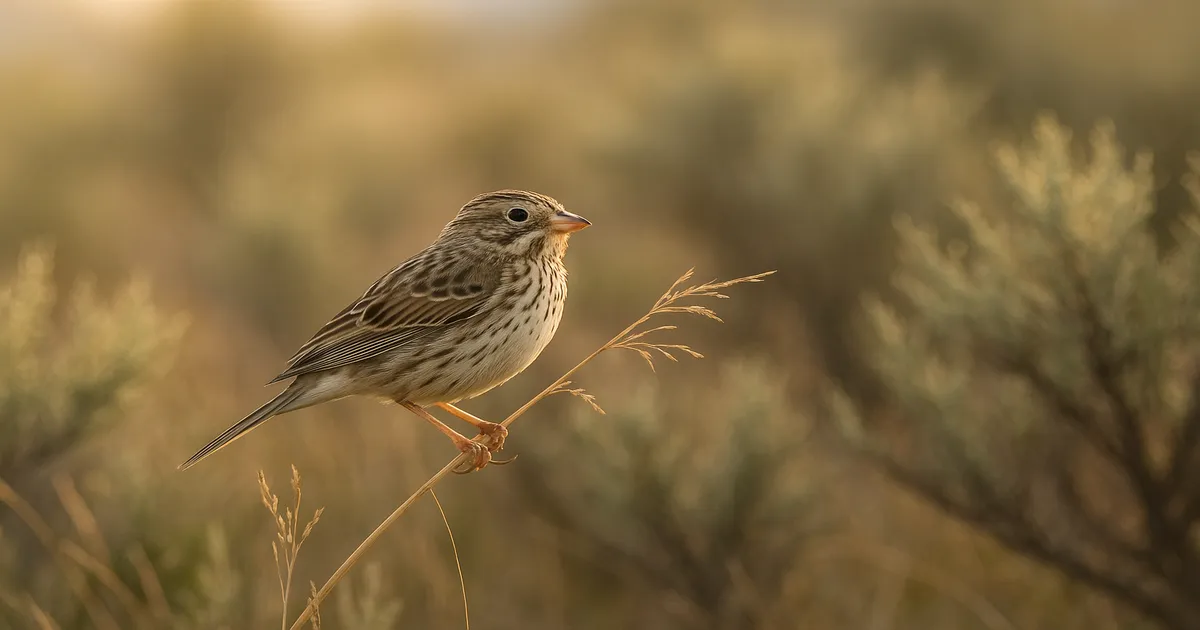
Song Sparrows are a good exercise in restraint — the differences are real but not dramatic. Juveniles show finely streaked, buffy plumage without a well-defined central breast spot. First-fall birds look more like adults but often retain buffier tones. Adults show crisp brown-and-gray streaking and a bold central breast spot. Song Sparrows range from about 4.7–6.7 inches (12–17 cm) long, reflecting the remarkable geographic variation in this species.
Eye Color, Bill, and Bare-Part Changes With Age
Eye Color as an Age Indicator
This is one of the most underappreciated aging tools, and in some species it’s the most reliable single mark you’ve got.
- Cooper’s Hawk (Accipiter cooperii): Juveniles have pale yellow eyes; adults develop deep orange to red — one of the most dramatic iris changes among North American raptors
- Bald Eagle: Dark brown juvenile eye grades to pale yellow by year 4–5
- Common Loon (Gavia immer): Juveniles have dark eyes; adults develop the iconic red eye in breeding plumage
- Ring-billed Gull (Larus delawarensis): Dark in first-year birds; pale yellow in adults
Sharp-shinned Hawks (Accipiter striatus) follow the same yellow-to-orange-red pattern as Cooper’s Hawks — handy since the two species are already notoriously difficult to separate.
Bill and Bare-Part Changes From Juvenile to Adult
Bill color shifts are often just as telling as plumage. Herring Gulls go from an all-dark bill in juveniles to pink with a dark tip in the second year, then pink with a red and black gonydeal spot in adults. Common Terns (Sterna hirundo) start with an orange-based, dark-tipped bill as juveniles; breeding adults show bright red with a black tip.
Leg and foot color matters too. The Little Blue Heron (Egretta caerulea) pulls off one of the most striking age-related transformations in North American herons: juveniles are entirely white with greenish-yellow legs, while adults are slate blue with dark legs. They look like two different species. Snowy Egrets (Egretta thula) have the famous “golden slippers” — bright yellow feet — that intensify with age. The Double-crested Cormorant (Nannopterum auritum) shows dull, pale lores as a juvenile; adults develop bright orange-yellow lores and a gular pouch that are hard to miss. If you’re looking at a heron or egret and feel unsure about plumage, check the legs first.
Behavioral Clues: How a Bird Acts Can Reveal Its Age
Begging Calls and Song Development
Behavior is an underused aging tool, and it costs nothing — you don’t even need to see the bird clearly. Recently fledged American Crows (Corvus brachyrhynchos) give a distinctive nasal, raspy begging call that sounds nothing like the adult “caw.” In summer, you can often locate a family group just by following that sound through the trees.
Song development in male songbirds runs through distinct stages: quiet, rambling subsong → variable plastic song → the fully crystallized song of adults. White-crowned Sparrows (Zonotrichia leucophrys) are the most studied example of this progression. Hearing a bird produce hesitant, incomplete phrases in late summer is a strong indicator of a first-year male still learning his repertoire.
Foraging Skill and Social Rank
Young birds are, bluntly, worse at feeding themselves. Juvenile Ospreys (Pandion haliaetus) catch fish on roughly one in four attempts in their first weeks; experienced adults do considerably better. At feeders, adult American Goldfinches (Spinus tristis) routinely displace juveniles from the best perches. A quality tube feeder — like the Droll Yankees Yankee Flipper — gives you a front-row seat to watch exactly this kind of dominance behavior play out.
Juvenile shorebirds and waterfowl tend to cluster at flock edges rather than the center, a pattern tied to lower social status and inexperience. First-year male Red-winged Blackbirds (Agelaius phoeniceus) often attempt to hold territories but get pushed out by older males with established sites, resulting in measurably lower breeding success.
Flight Style in Juvenile vs. Adult Raptors
Juvenile raptors flap more, soar less efficiently, and look generally less assured in the air. Young Peregrine Falcons (Falco peregrinus) are noticeably less skilled at aerial prey capture in their first fall — their stoops are less precise and their timing is off. At hawk watch sites, experienced counters can often call the age of a passing buteo before seeing the plumage details, just from the quality of the bird’s flight.
When and Where to Practice Aging Birds
Seasonal Timing
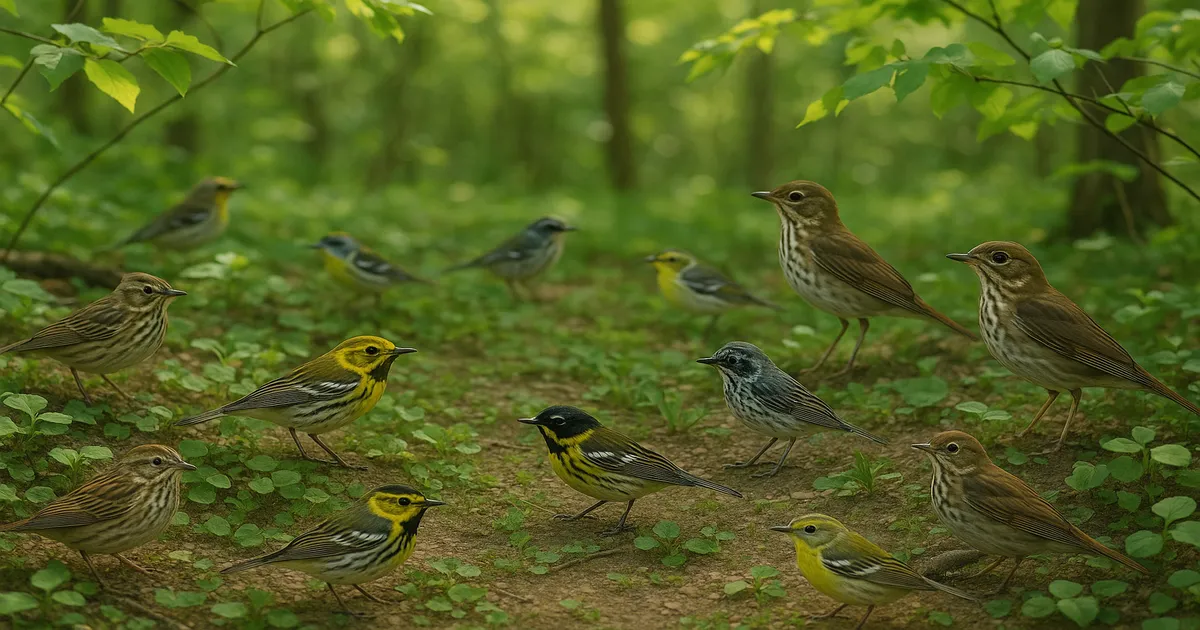
The prebasic molt (July–September for most North American songbirds) is when adults replace worn breeding plumage and juveniles undergo their first major molt. Late July through October is prime time for juvenile shorebirds on southbound migration — fresh, crisp juvenile plumage contrasts dramatically with the worn, faded plumage of adults that began molting weeks earlier. August and September also bring the famous “confusing fall warblers,” most of which are first-year birds in fresh first basic plumage.
Newly fledged birds are easy to spot: look for short, still-growing tails, fluffy patches around the head and flanks, and soft gape flanges — the yellowish or pinkish fleshy edges at the bill base. Backyard feeders in July and August regularly host juvenile American Goldfinches, House Finches (Haemorhous mexicanus), and Downy Woodpeckers (Dryobates pubescens) alongside their parents.
Best Locations for Aging Practice
Coastal beaches, mudflats, and estuaries offer mixed-age shorebird and gull flocks for direct comparison. A spotting scope — the Vortex Razor HD 27-60x85 is excellent for distant birds on mudflats — makes a real difference here.
Hawk watch ridges like Hawk Mountain Sanctuary in Pennsylvania, Cape May Point in New Jersey, and Whitefish Point in Michigan concentrate migrating raptors of multiple age classes every September and October. Hawk watch volunteers are usually happy to talk aging — take advantage of that.
Winter gull flocks at reservoirs, harbors, and landfills let you see first-winter, second-winter, third-winter, and adult Herring Gulls standing side by side. That direct comparison makes the progression click in a way that no field guide photo can replicate. Spend a cold January afternoon at a gull flock before investing in any advanced aging reference — the real birds will make the books make sense. A good large-print field guide like the Sibley Guide to Birds is worth having in your bag for cross-referencing on the spot.
How Scientists Confirm a Bird’s Exact Age
Professional bird banders can confirm ages using tools unavailable to field birders. The USGS Bird Banding Laboratory maintains the North American banding database, and the longevity records it contains are remarkable — Laysan Albatross individuals have been confirmed at 70+ years through continuous recapture data.
In fall, banders can determine whether a bird is in its first year by examining skull ossification — the degree to which the skull has pneumatized (developed its double-layered structure). Juveniles have incompletely ossified skulls visible as a pinkish, single-layered patch through the thin skin. By late fall or winter, most species complete ossification, closing this window. It’s fast, reliable, and requires no plumage interpretation at all.
Banders also assess cloacal protuberance (an indicator of male breeding condition) and brood patch development (bare, vascularized skin on the belly of incubating birds). These marks reveal not just age class but reproductive status — information that’s simply not available from field observation. Banding data has also rewritten our understanding of wild bird longevity: small songbirds routinely reach 10–15 years, while large raptors and seabirds can live for decades.
Frequently Asked Questions: How to Tell a Bird’s Age
Can you tell a bird’s age just from its size? Rarely on its own. Most birds reach adult size within weeks of fledging, so body size isn’t a reliable age indicator. Tail length and wing shape can be useful in raptors, but size alone won’t get you there.
What’s the easiest bird to practice aging on? American Robins in July and August are hard to beat as a starting point — the spotted juvenile breast is so different from the clean adult that the comparison is immediately obvious. After that, try Herring Gulls at a winter reservoir, where all four age classes often stand together.
Do all birds change eye color as they age? No. Eye color change is most dramatic in raptors (Cooper’s Hawk, Sharp-shinned Hawk), loons, and some gulls. Many songbirds show little or no iris change with age, so it’s a tool to apply selectively rather than universally.
How do banders age birds more precisely than field birders? Banders use skull ossification, cloacal protuberance, brood patch condition, and close examination of feather wear and molt limits in the hand. These methods allow precise aging that field observation can’t match.
At what time of year is it easiest to age birds in the field? Late July through October. Juvenile birds are fresh and distinctive, molt limits are at their most visible, and fall migration concentrates birds of multiple age classes in the same locations. Winter gull flocks run a close second.